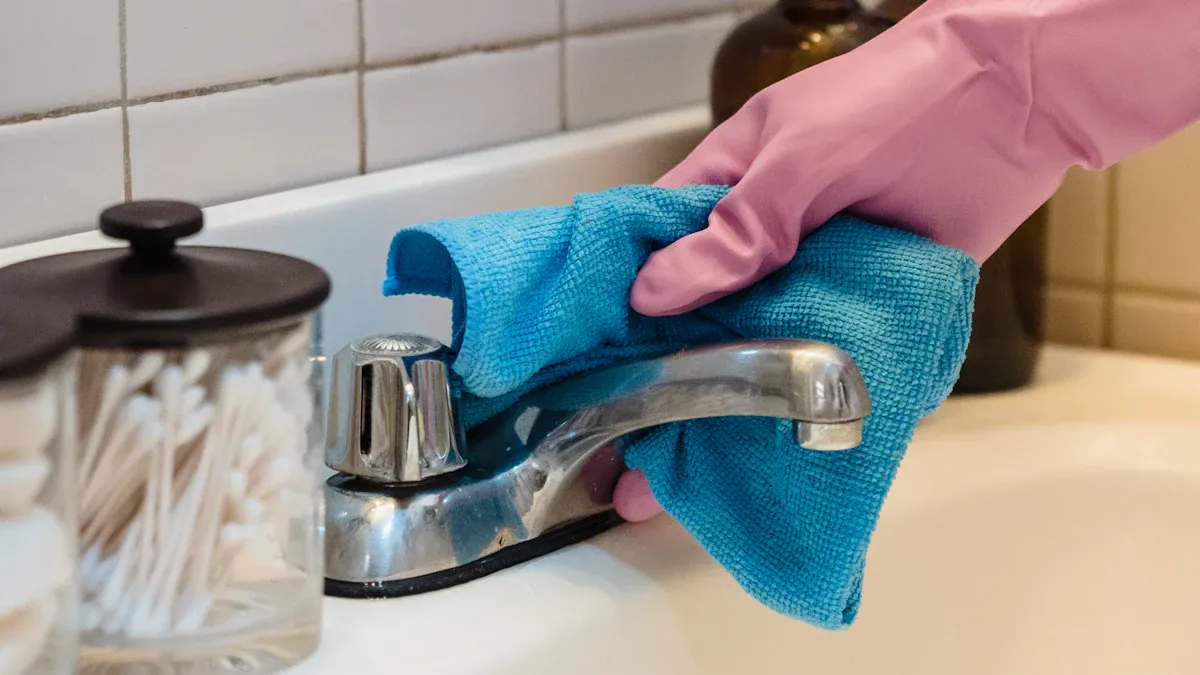
Cleaning bathroom hardware fittings at least once a week is essential for maintaining hygiene. Bacteria thrive in damp environments, making regular cleaning crucial. Fixtures like faucets and towel bars can harbor germs, leading to potential health risks. Ensuring cleanliness promotes a healthier bathroom environment for everyone.
Key Takeaways
- Clean bathroom hardware fittings at least once a week to maintain hygiene and reduce health risks.
- Use natural cleaning solutions like white vinegar and baking soda for effective cleaning of faucets and fixtures.
- Establish a consistent cleaning schedule tailored to your household's needs to ensure a healthier bathroom environment.
Faucets
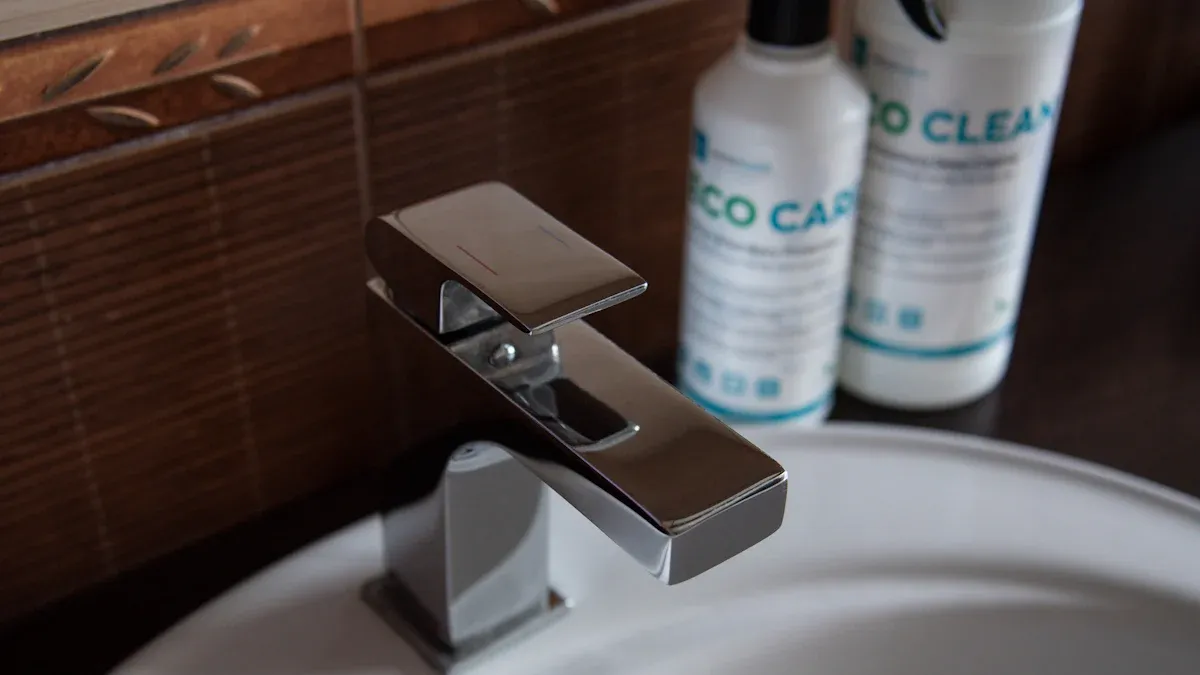
Bathroom faucets require regular cleaning to prevent the buildup of grime and bacteria. Plumbing experts recommend cleaning bathroom faucets at least once a week. This frequency helps maintain hygiene and ensures a safe environment. Neglecting this task can lead to several risks, including the growth of harmful microorganisms such as bacteria, mold, and biofilm. Inhalation of bacteria like Legionella can occur when mist or vapor is inhaled, posing additional health threats.
To effectively clean faucets, consider using natural solutions that remove mineral deposits. Here are some effective cleaning agents:
- White vinegar
- Lemon juice
- Baking soda
Follow these steps for a thorough cleaning:
- Soak a soft cloth or sponge in white vinegar.
- Wrap the vinegar-soaked cloth around the affected areas of the faucet.
- Secure the cloth with a rubber band.
- Let it sit for at least one hour.
- Remove the cloth and scrub the faucet gently with an old toothbrush.
- Rinse the faucet thoroughly with water.
- Polish with a dry cloth to restore the faucet's shine.
Regular maintenance of bathroom hardware fittings, including faucets, is essential for promoting a hygienic bathroom environment. By adhering to a consistent cleaning schedule, individuals can significantly reduce health risks associated with unclean fixtures.
Shower Heads
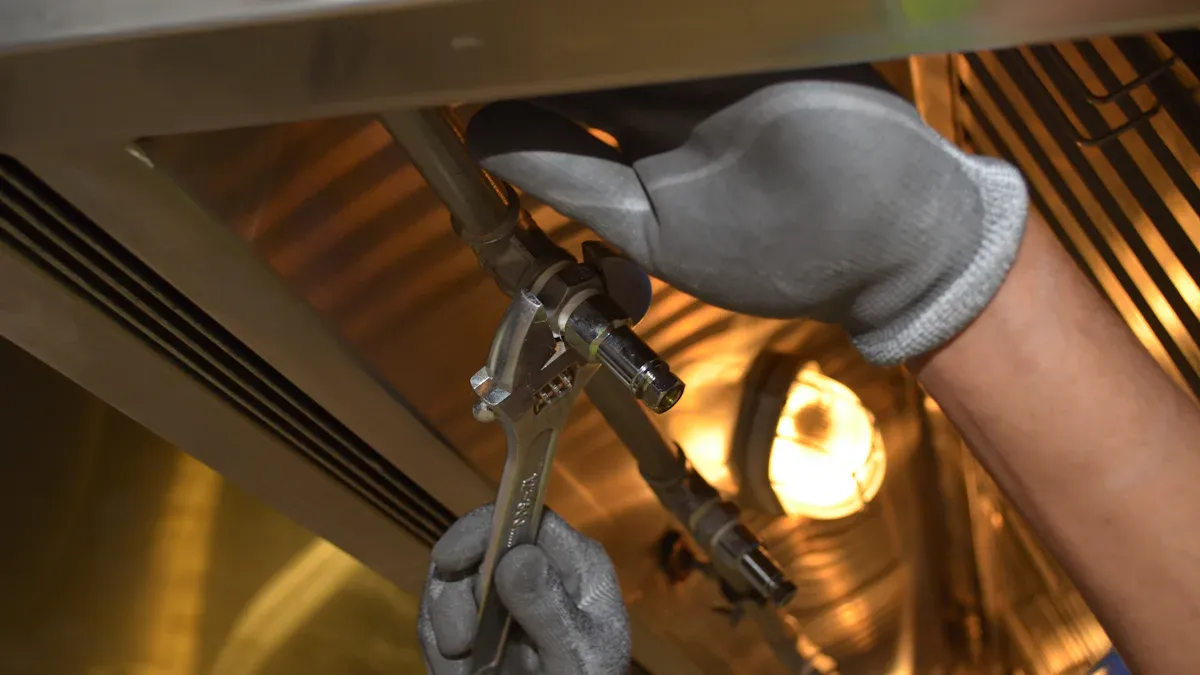
Shower heads often accumulate mineral deposits and soap scum, especially in areas with hard water. To maintain hygiene, individuals should clean shower heads at least once a month. This frequency helps prevent the buildup of limescale, which can obstruct water flow and reduce the efficiency of the shower.
Hard water significantly affects the cleaning frequency of shower heads. The minerals in hard water lead to increased limescale and soap scum accumulation. Regular scrubbing may not suffice to remove these deposits. Therefore, individuals may need to use specialized cleaning products designed to dissolve mineral buildup.
To clean a shower head effectively, follow these steps:
- Remove the shower head from the fixture.
- Soak it in a solution of equal parts white vinegar and water for several hours. This solution helps break down mineral deposits.
- Scrub the shower head with an old toothbrush to remove any remaining buildup.
- Rinse thoroughly with warm water before reattaching it to the fixture.
By adhering to a consistent cleaning schedule, individuals can ensure their shower heads remain functional and hygienic. Regular maintenance of bathroom hardware fittings, including shower heads, contributes to a healthier bathroom environment.
Towel Bars
Towel bars often collect dust and grime, making regular cleaning essential for hygiene. Manufacturers recommend wiping down towel bars every two weeks. This frequency helps maintain their appearance and prevents the buildup of bacteria.
Towel bars come in various materials, including stainless steel, chrome, and plastic. Stainless steel offers strong resistance to corrosion compared to other metals. However, other materials may be more vulnerable to rusting. To prolong the life of towel bars, individuals should avoid using harsh abrasives or acidic cleaning chemicals. Such products can damage the protective covering, increasing the risk of corrosion.
For effective cleaning, follow these simple steps:
- Use a gentle detergent mixed with warm water.
- Soak a soft cloth in the solution.
- Wipe down the towel bar, ensuring to reach all corners.
- Rinse with clean water to remove any soap residue.
- Dry thoroughly with a soft towel to prevent water spots.
By adhering to a consistent cleaning schedule, individuals can ensure their towel bars remain hygienic and visually appealing. Regular maintenance of bathroom hardware fittings, including towel bars, contributes to a healthier bathroom environment.
Toilet Hardware
Toilet hardware requires diligent cleaning to minimize health risks. Experts recommend cleaning toilet hardware every three days. This frequency significantly reduces exposure to pathogens, particularly norovirus. Regular cleaning at this interval offers the greatest protection against infections from toilet-borne germs.
In households with children or elderly individuals, the need for increased cleaning becomes even more critical. The following table outlines the recommended cleaning frequency based on household demographics:
| Evidence | Description |
|---|---|
| Source 1 | Ignoring toilet cleaning can lead to unpleasant odors, stains, and health risks, especially in homes with young children or senior citizens. |
| Source 2 | Families with young children often face messes that necessitate more frequent cleaning. |
| Source 3 | Daily cleaning is advisable in high-traffic households or when someone is ill to quickly reduce germs and bacteria. |
To effectively clean toilet hardware, follow these steps:
- Use a disinfectant cleaner specifically designed for bathroom surfaces.
- Apply the cleaner generously to the toilet seat, handle, and surrounding areas.
- Scrub with a toilet brush, ensuring to reach under the rim and around the base.
- Wipe down other hardware fittings, such as flush handles and toilet paper holders, with a disinfectant wipe.
- Rinse any surfaces that require it and dry thoroughly.
By adhering to a consistent cleaning schedule, individuals can ensure their toilet hardware remains hygienic. Regular maintenance of bathroom hardware fittings, including toilet components, contributes to a healthier bathroom environment.
Bathtub Fixtures
Bathtub fixtures require regular cleaning to maintain both hygiene and appearance. Experts recommend cleaning these fixtures at least once a week. This frequency helps prevent the buildup of soap scum and limescale, which can detract from the overall look of the bathroom.
To effectively clean bathtub fixtures, individuals should follow these steps:
-
Daily Cleaning Tasks (5-10 minutes):
- Wipe down the bathtub surfaces after each use.
- Rinse fixtures with warm water to remove soap residue.
- Hang towels properly to allow them to dry.
-
Weekly Cleaning Tasks (20-30 minutes):
- Scrub the bathtub with a non-abrasive cleaner.
- Polish fixtures to remove water spots and fingerprints.
- Mop the bathroom floor to eliminate any dirt or grime.
-
Monthly Cleaning Tasks (30-45 minutes):
- Clean grout and tile around the bathtub.
- Wash the shower curtain and bath mat.
- Declutter cabinets to maintain an organized space.
Regular cleaning of bathtub fixtures is crucial to prevent soap scum. Applying a gel gloss or car wax can make it harder for soap scum to form. Additionally, using a daily shower cleaner with a squeegee or rag can help stop soap scum from returning. Switching from bar soap to liquid or gel body soap can also reduce soap scum buildup.
By adhering to a consistent cleaning schedule, individuals can ensure their bathtub fixtures remain hygienic and visually appealing. Regular maintenance of bathroom hardware fittings, including bathtub fixtures, contributes to a healthier bathroom environment.
General Tips for Maintaining Hygiene
Maintaining hygiene in the bathroom requires consistent effort and attention to detail. Here are some essential tips to ensure cleanliness:
-
Use Disinfectants: Regularly apply disinfectants to high-touch surfaces such as toilet seats, handles, sinks, and countertops. This practice significantly reduces the presence of germs. Disinfecting light switches and doorknobs also helps maintain a germ-free environment.
-
Choose the Right Cleaners: Select mild, non-abrasive cleaners to avoid damaging the finish of fixtures. Harsh chemicals can strip protective coatings, leading to discoloration or corrosion. Avoid using cleaners with bleach or ammonia, as these can dull the finish of hardware fittings.
-
Establish a Cleaning Schedule: Create a cleaning routine based on household usage. While households may clean less frequently, public restrooms require daily cleaning to meet hygiene standards. Regularly wipe down surfaces and refill soap dispensers in public settings.
-
Pay Attention to Hard Water: In areas with hard water, mineral buildup can dull fixtures. Regular cleaning helps prevent this issue. Consider using a water softener to reduce mineral deposits.
By following these tips, individuals can maintain a hygienic bathroom environment. Consistent cleaning not only enhances the appearance of hardware fittings but also promotes overall health and safety.
Maintaining a consistent cleaning schedule for bathroom hardware fittings is vital for hygiene. Key recommendations include:
- Clean high-touch surfaces daily or every other day.
- Clean the toilet at least twice a week.
- Clean sinks and countertops twice a week.
Regular cleaning minimizes microbial contamination and reduces health risks. Prioritizing cleanliness ensures a healthier bathroom environment for all.
FAQ
How can I prevent soap scum buildup in my bathtub?
To prevent soap scum, rinse the bathtub after each use and apply a daily shower cleaner.
What is the best way to disinfect toilet hardware?
Use a disinfectant cleaner specifically designed for bathrooms. Apply it generously and scrub thoroughly.
How often should I clean my bathroom sink?
Clean your bathroom sink at least twice a week to maintain hygiene and prevent bacteria buildup.